There is something magical about a Sunday morning. The house is quiet. The coffee is brewing. You have nowhere to be. It is the perfect time to tie on an apron and dive into some easy brunch recipes. We often think of brunch as just eggs and bacon. But imagine pulling a tray of golden, flaky pastries out of your own oven. It sounds intimidating. I know. But stick with me here.
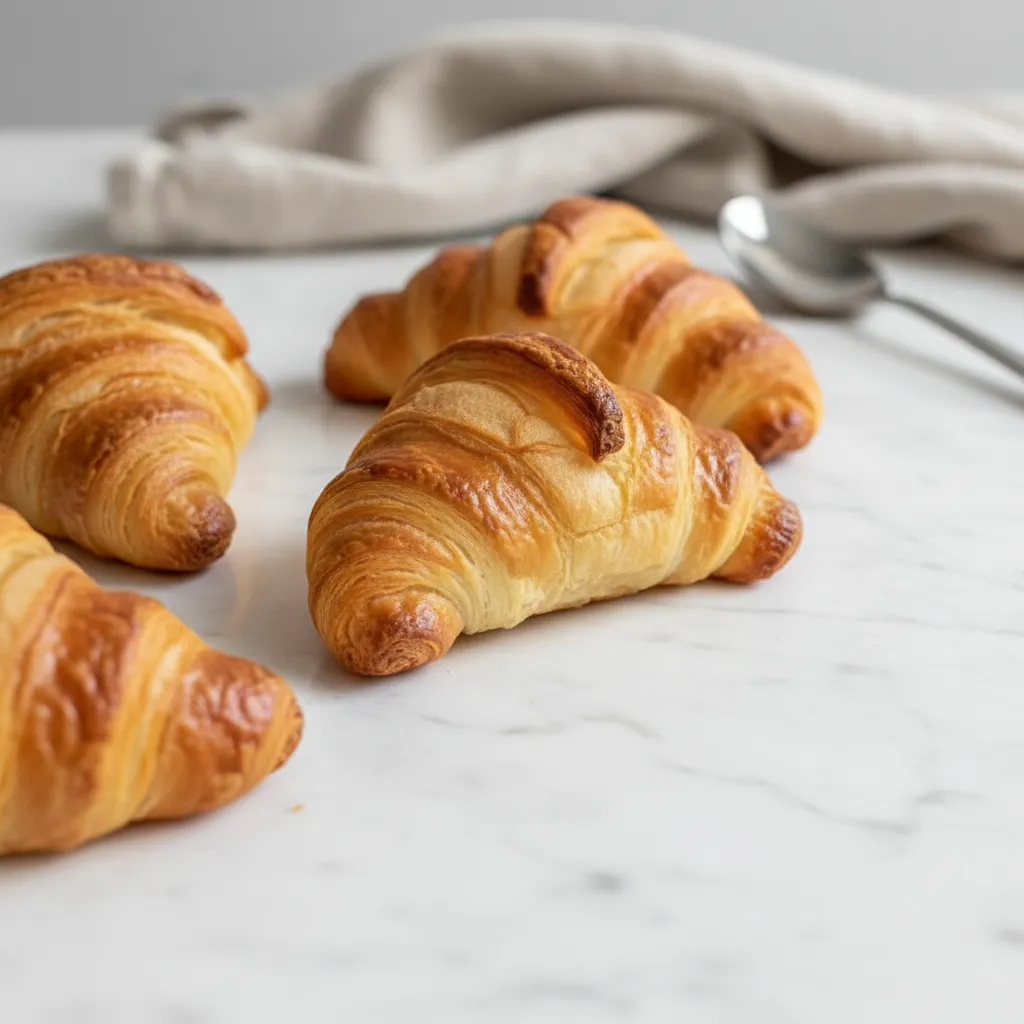
Many home cooks shy away from baking bread. They think it requires fancy equipment or a culinary degree. That is simply not true. With a little patience and the right technique, you can master Homemade Croissants that rival your local bakery. Today we are going to break down a classic Croissant Recipe into manageable steps. This is not about rushing. It is about enjoying the process.
Jump To:
Why You’ll Love This Recipe
You might be wondering why we are calling this one of our favorite easy brunch recipes. While it does take time, the actual steps are very straightforward. You do not need a sheeter or professional ovens. You just need a rolling pin and your hands. The feeling of accomplishment you get when you see those hundreds of layers puff up is unmatched.
Store bought pastries often rely on heavy preservatives. When you make Homemade Bread Recipes Easy style at home, you control the ingredients. You are using real butter. You are using fresh milk. The taste difference is night and day. Plus, the smell of butter and yeast filling your kitchen is better than any candle you could buy.
This recipe is also incredibly budget friendly. Think about how much a single croissant costs at a cafe. Now imagine making a dozen for a fraction of that price. It is smart cooking. It is also a fantastic skill to have in your back pocket. Whether you are hosting a holiday breakfast or just treating yourself, this recipe delivers big results.
Ingredients
To get started with one of the most impressive easy brunch recipes, you need simple staples. Here is what you need to gather.
- 4 cups (500g) all purpose flour
- 1/4 cup (50g) granulated sugar
- 1 tablespoon (10g) salt
- 1 tablespoon (10g) active dry yeast
- 1 1/4 cups (300ml) warm milk
- 2 tablespoons unsalted butter, melted
- 1 cup (225g) unsalted butter, cold and shaped into a flat square
- 1 egg
- 1 tablespoon milk
Step-By-Step Instructions
This is where the magic happens. Do not rush. Read through these steps before you start. Treat this like a fun project rather than a chore. Mastering Bread And Pastries is all about rhythm.
Step 1: Mix The Dough
Grab a large bowl or your stand mixer. You want to mix the flour, sugar, and salt together first. In a separate cup, dissolve your yeast in the warm milk. Let it sit there for about 5 to 10 minutes. You want it to get nice and foamy. That foam means your yeast is alive and ready to work.
Once the yeast is active, pour that milk mixture and the melted butter into your dry ingredients. Knead this until it becomes smooth. This usually takes about 3 to 5 minutes. You are not looking for a tough dough here. Just smooth and combined. Shape it into a rough rectangle. Wrap it in plastic and put it in the fridge for 1 hour. Chilling is crucial for easy brunch recipes involving pastry.
Step 2: Prepare The Butter Block
While your dough chills, grab your cold butter. Place it between two sheets of parchment paper. You need to beat this butter into submission. Use a rolling pin to pound and roll it into a 6 inch square. You want it pliable but still cold. If it gets too soft or melty, pop it in the fridge for a few minutes. The butter needs to be the same consistency as the dough.
Step 3: Lock In The Butter
Take your chilled dough out. Roll it into a 12 inch square. Now, place your butter block diagonally in the center. It should look like a diamond sitting on a square. Fold the corners of the dough over the butter. You want to enclose it completely. Pinch the seams shut. Imagine you are wrapping a precious gift. This step traps the butter inside, which is the secret to Homemade Croissants.
Step 4: The First Turn
Dust your surface lightly with flour. Roll the dough out into a long rectangle, roughly 8 by 20 inches. Be gentle. You do not want to squash the butter into the dough. You want distinct layers. Now, fold the dough into thirds, just like you would fold a business letter. This is called your first turn. Wrap it up and chill it for 30 minutes.
Step 5: Repeat The Folds
You are going to repeat that rolling, folding, and chilling process two more times. This gives you a total of three turns. This might seem repetitive, but this is how you get those thousands of flaky layers. It is the core technique of many Recetas De Pan. Without these turns, you just have a brioche bun. With them, you have a croissant.
Step 6: The Importance of Chilling
Between every turn, that 30 minute chill is non negotiable. If the butter gets warm, it melts into the flour. You lose the layers. If the dough gets too warm, the gluten gets tight and fights you. Relaxed, cold dough is happy dough. Take your time. Go do something else while it rests.
Step 7: Final Roll
After your final rest, it is time to shape. Roll the dough out into a large rectangle. You want it about a quarter inch thick. This is the canvas for your masterpiece. If the dough snaps back, let it rest for five minutes and try again. It just needs to relax.
Step 8: Cut The Triangles
Use a sharp knife or a pizza cutter. Trim the jagged edges to make a neat rectangle. Then, cut triangles. You want them roughly 5 inches wide at the base. You should get about 12 to 15 triangles from this batch. These triangles are the classic shape for this Croissant Recipe.
Step 9: Shape The Croissants
Pick up a triangle. Hold the wide base and gently stretch the dough slightly. Starting at the wide end, roll it toward the tip. Do not crush it. Just roll it snugly. Make sure the tip ends up underneath the croissant so it does not unroll during baking. Curve the ends slightly to form that iconic crescent shape.
Step 10: Proofing
Place your shaped croissants on a baking sheet. Cover them loosely with plastic or a damp towel. Let them rise at room temperature for 1.5 to 2 hours. They should look puffy and wobble like jelly when you shake the pan. This proofing stage is vital for airy, easy brunch recipes.
Step 11: The Egg Wash
Preheat your oven to 400°F (200°C). In a small bowl, mix the egg with a tablespoon of milk. Gently brush this over each croissant. Be careful not to let the egg drip onto the pan, as it can glue the pastry down. This wash gives them that glossy, deep golden finish we all love.
Step 12: Bake to Perfection
Slide the pan into the oven. Bake for 18 to 22 minutes. You want them puffed and deep golden brown. If they look pale, they are not done. Rotate the pan halfway through the baking time to ensure they brown evenly. The smell at this point will be incredible.
Step 13: Cool and Serve
Remove them from the oven. Let them cool on a wire rack for at least 10 minutes. I know it is tempting to eat them immediately. But the structure needs to set slightly. Once cooled, serve them with jam, butter, or just plain. They are that good.
How To Store Leftovers
One of the best things about easy brunch recipes like this is that they store surprisingly well. If you have leftovers, do not worry. You can keep them in an airtight container at room temperature for about two days. They might lose a little crispness, but a quick toast in the oven brings them right back to life.
If you want to save them for longer, freeze them. Wrap the baked croissants tightly in foil or plastic and place them in a freezer bag. They can last for up to a month. When the craving strikes, just reheat them directly from frozen in a warm oven until they are hot and crispy again.
You can also freeze the unbaked shaped croissants. Follow the steps up to shaping, then freeze them on a tray. Once solid, bag them up. When you want fresh Homemade Croissants, let them thaw and proof overnight in the fridge, then bake as usual. It is the ultimate meal prep hack.
Tips
Temperature is everything. If your kitchen is very hot, you might need to chill the dough more frequently. If the butter melts, you end up with brioche, not croissants. Keep things cool. If you feel the butter getting soft while rolling, stop immediately and put the dough back in the fridge.
Flour your surface, but not too much. You need a little flour to prevent sticking, but too much flour will make the dough tough and dry. Brush off excess flour with a pastry brush before you do your folds. This ensures the layers stick together properly without dry pockets.
Be patient with the yeast. If your milk is too hot, it will kill the yeast. If it is too cold, the yeast won’t wake up. Aim for lukewarm, like a baby’s bathwater. This ensures your Easy Bread Recipes rise tall and fluffy every single time.
Use good quality butter. Since butter is the main flavor here, splurge a little on a brand with a higher fat content if you can. European style butters are fantastic for this Croissant Recipe because they contain less water, which leads to flakier layers.
Conclusion
There you have it. You have just navigated one of the most prestigious easy brunch recipes out there. It wasn’t so scary, was it? Sure, it takes a bit of time, but the steps themselves are simple. The result is a pile of golden, buttery Homemade Croissants that you made with your own two hands.
Once you get comfortable with this dough, the sky is the limit. You can add chocolate for pain au chocolat. You can fill them with almond cream. You can even use the dough for savory twists. It opens up a whole world of Bread And Pastries that you might have thought were impossible to make at home.
Maybe next weekend you will try a Beignet Recipe or perhaps some savory Quesadillas for a change of pace. But for now, pour yourself another cup of coffee. Break open a warm croissant. Watch the flakes fly everywhere. You earned it. This is what easy brunch recipes are all about.
FAQ
Can I Make This Gluten Free?
You can try using a high quality gluten free all purpose flour blend. However, croissants rely heavily on gluten for structure and lift. The texture will be different, likely less airy and flaky than the traditional wheat version, but still tasty.
Why Is Butter Leaking Out During Baking?
This usually happens if the proofing environment was too warm, causing the butter to melt before the dough went into the oven. It can also happen if the dough was under proofed. Try to keep the rising spot cool, below 80°F.
Can I Use Margarine Instead of Butter?
Technically yes, but we do not recommend it. Margarine has a higher water content and lacks the rich flavor of real butter. For the best Crossiant Recipes, stick to unsalted real butter.
Are These Considered Easy Bread Recipes?
While they take time, the techniques are simple enough for beginners. We consider them one of the best Easy Bread Recipes to learn because they teach you so much about dough handling and temperature control.
What If I Don’t Have A Stand Mixer?
No problem at all. You can mix and knead the dough by hand. It might take a few extra minutes of elbow grease to get it smooth, but it works perfectly fine. Many traditional Recetas De Pan are made entirely by hand.
Homemade Croissants
Learn to make golden, flaky Homemade Croissants from scratch with this easy-to-follow recipe. Perfect for a special brunch, these pastries are made with simple ingredients and deliver bakery-quality results right from your kitchen.
Requirements




Ingredients
Instructions
- Mix the flour, sugar, and salt in a large bowl or stand mixer. Dissolve yeast in warm milk in a separate cup for 5-10 minutes until foamy.
- Pour active yeast mixture and melted butter into dry ingredients. Knead until smooth (3-5 minutes). Shape into a rough rectangle, wrap, and chill for 1 hour.
- While dough chills, place cold unsalted butter between two sheets of parchment paper. Pound and roll into a 6-inch square until pliable but cold.
- Roll chilled dough into a 12-inch square. Place butter block diagonally in the center. Fold dough corners over butter, pinching seams shut to enclose completely.
- Lightly dust surface with flour. Roll the dough out into an 8×20 inch rectangle. Be gentle. You do not want to squash the butter into the dough. You want distinct layers. Now, fold the dough into thirds, just like you would fold a business letter. This is called your first turn. Wrap it up and chill it for 30 minutes.
- You are going to repeat that rolling, folding, and chilling process two more times. This gives you a total of three turns. This might seem repetitive, but this is how you get those thousands of flaky layers. It is the core technique of many Recetas De Pan. Without these turns, you just have a brioche bun. With them, you have a croissant.
- After your final rest, it is time to shape. Roll the dough out into a large rectangle. You want it about a quarter inch thick. This is the canvas for your masterpiece. If the dough snaps back, let it rest for five minutes and try again. It just needs to relax.
- Use a sharp knife or a pizza cutter. Trim the jagged edges to make a neat rectangle. Then, cut triangles. You want them roughly 5 inches wide at the base. You should get about 12 to 15 triangles from this batch. These triangles are the classic shape for this Croissant Recipe.
- Pick up a triangle. Hold the wide base and gently stretch the dough slightly. Starting at the wide end, roll it toward the tip. Do not crush it. Just roll it snugly. Make sure the tip ends up underneath the croissant so it does not unroll during baking. Curve the ends slightly to form that iconic crescent shape.
- Place your shaped croissants on a baking sheet. Cover them loosely with plastic or a damp towel. Let them rise at room temperature for 1.5 to 2 hours. They should look puffy and wobble like jelly when you shake the pan. This proofing stage is vital for airy, easy brunch recipes.
- Preheat your oven to 400°F (200°C). In a small bowl, mix the egg with a tablespoon of milk. Gently brush this over each croissant. Be careful not to let the egg drip onto the pan, as it can glue the pastry down. This wash gives them that glossy, deep golden finish we all love.
- Slide the pan into the oven. Bake for 18 to 22 minutes. You want them puffed and deep golden brown. If they look pale, they are not done. Rotate the pan halfway through the baking time to ensure they brown evenly. The smell at this point will be incredible.
- Remove them from the oven. Let them cool on a wire rack for at least 10 minutes. I know it is tempting to eat them immediately. But the structure needs to set slightly. Once cooled, serve them with jam, butter, or just plain. They are that good.
Notes
Temperature is everything. If your kitchen is very hot, you might need to chill the dough more frequently. If the butter melts, you end up with brioche, not croissants. Keep things cool. If you feel the butter getting soft while rolling, stop immediately and put the dough back in the fridge.
Flour your surface, but not too much. You need a little flour to prevent sticking, but too much flour will make the dough tough and dry. Brush off excess flour with a pastry brush before you do your folds. This ensures the layers stick together properly without dry pockets.
Be patient with the yeast. If your milk is too hot, it will kill the yeast. If it is too cold, the yeast won’t wake up. Aim for lukewarm, like a baby’s bathwater. This ensures your Easy Bread Recipes rise tall and fluffy every single time.
Use good quality butter. Since butter is the main flavor here, splurge a little on a brand with a higher fat content if you can. European style butters are fantastic for this Croissant Recipe because they contain less water, which leads to flakier layers.
Nutrition
Calories
Sugar
Fat
Carbs