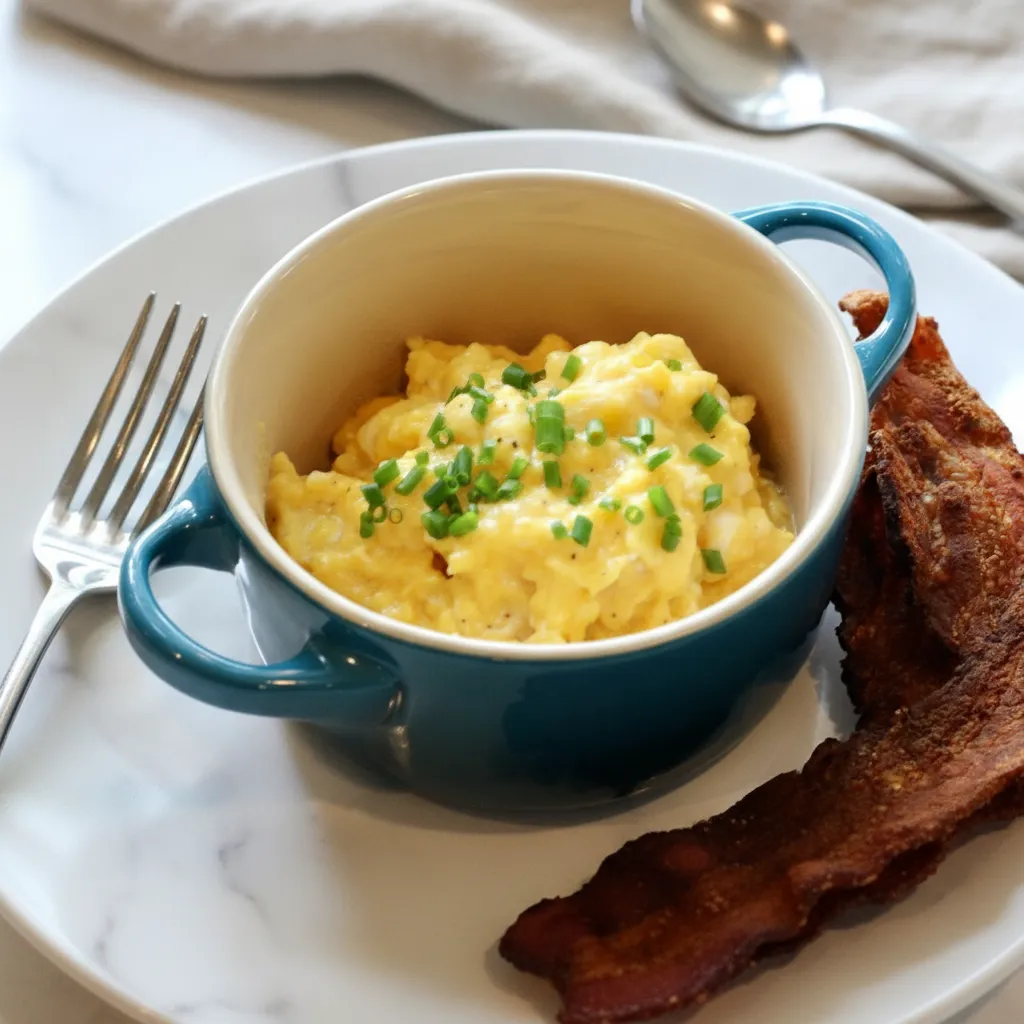
Let’s be real, who doesn’t love a good plate of scrambled eggs? They’re that ultimate comfort food, a go to breakfast, brunch, or even a quick dinner. But achieving that perfect, creamy, and oh so fluffy scrambled eggs texture? Well, that can feel like a bit of a mystery, right?
Good news! You don’t need to be a fancy chef or have a professional kitchen to whip up truly amazing scrambled eggs. We’re talking about a method that delivers serious flavor and texture, making every bite a delight. Get ready to transform your breakfast game!
Jump To:
Why You’ll Love This Recipe
This isn’t just another recipe; it’s a game changer for anyone who appreciates a fantastic plate of scrambled eggs. What makes it so special? For starters, it’s incredibly simple. You won’t need a long list of ingredients or any special equipment.
You know, some folks think making great eggs is tough, but this method proves them wrong. It focuses on technique, not complexity. You’ll be amazed at how a few simple steps can elevate something as basic as eggs into a culinary treat.
The secret here is all about control and a little patience. By gently cooking and stirring, you prevent the eggs from becoming rubbery or dry. This means you get that ideal, soft, and moist consistency every single time.
Plus, it’s super fast! We’re talking about getting delicious food on the table in minutes. This makes it perfect for busy weeknights, lazy weekends, or when you just need a quick, satisfying meal without a fuss.
This recipe is also incredibly versatile. While we’re focusing on the classic, you can easily customize it with your favorite add ins. Think cheese, herbs, or even a dash of hot sauce. It’s your canvas!
And let’s not forget the budget friendly aspect. Eggs are an economical protein source, making this a smart choice for anyone looking to eat well without breaking the bank. It’s a win win situation!
Ingredients
You might be surprised by how few ingredients you need to achieve truly spectacular scrambled eggs. The key is in the quality and how you use them. Freshness truly makes a difference here.
- 6 cold eggs
- 1 tablespoon butter
- 1 teaspoon crème fraîche
- Salt and freshly ground black pepper to taste
- Chives, to garnish
Using cold eggs is a little trick that helps control the cooking process. It slows things down just enough to give you that creamy texture we’re aiming for. Don’t skip this easy step!
The butter adds richness and helps with the silky mouthfeel. It’s an essential fat for flavor. And crème fraîche? Oh, that’s the secret weapon for truly luxurious, creamy, and fluffy scrambled eggs. It makes all the difference!
Fresh chives provide a lovely, mild oniony flavor and a pop of color. They really brighten up the dish. But honestly, if you don’t have them, your eggs will still be delicious. It’s just a nice extra touch.
Step-By-Step Instructions
Step 1: Prep Your Eggs and Pan
First things first, grab a deep saucepan. This isn’t just any pan; its depth helps keep the heat even and gives you plenty of room to stir without making a mess. Now, crack your 6 cold eggs directly into the saucepan.
Add the tablespoon of butter right into the pan with the eggs. Don’t worry about melting it beforehand; it will melt as the pan heats up. This simple start sets the stage for your amazing scrambled eggs.
Step 2: The Continuous Stirring Method
Place your saucepan over medium high heat. This might seem a bit high, but trust the process. Immediately begin to stir continuously with a rubber spatula. The key here is constant motion.
Make sure you’re scraping the bottom of the saucepan as you stir. This prevents any egg from sticking and burning, ensuring an even cook. This technique is what makes these scrambled eggs so special.
Step 3: Off and On the Heat
Cook the eggs for about 30 seconds, stirring all the while. Then, and this is crucial, remove the saucepan completely from the heat. Don’t stop stirring though!
Continue to stir for about 10 seconds off the heat. This helps regulate the temperature and prevents overcooking. It’s part of the secret to getting those perfect, soft curds for your fluffy scrambled eggs.
Step 4: Repeat the Process
Return the saucepan to the heat and repeat the process: cook for about 30 seconds, then remove and stir for 10 seconds. Keep doing this for about 3 minutes in total. It might feel a bit repetitive, but it’s worth it.
During this stage, the eggs won’t look super appetizing. They might seem a bit lumpy or unset. But trust me, patience is a virtue here! The magic is truly about to happen. This is how you achieve that Gordon Ramsay Scrambled Eggs style.
Step 5: The Final Touch
After about 3 minutes, your eggs should be roughly 80% cooked. They will be soft, moist, and have small, delicate curds. This is the ideal stage right before they become dry. You’re almost there!
Remove the saucepan from the heat one last time. Now, stir in the teaspoon of crème fraîche. This is where the truly creamy, almost custardy texture comes in. It halts the cooking and adds incredible richness.
Season your scrambled eggs with salt and freshly ground black pepper to taste. A good pinch of both really brings out the flavors. Give it a final gentle stir to incorporate everything.
Step 6: Serve Immediately
The best scrambled eggs are served hot and fresh. Don’t let them sit around! Transfer them to plates right away. Garnish with those lovely fresh chives for a bit of color and a fresh, herby note.
And there you have it! Restaurant quality, fluffy scrambled eggs that are sure to impress. Enjoy your perfectly cooked breakfast, lunch, or dinner. You just mastered a classic!
How To Store Leftovers
Honestly, scrambled eggs are best enjoyed right when they’re made. That fresh, creamy texture is hard to beat. But hey, sometimes you make a little too much, and that’s totally okay!
If you do have leftovers, let them cool down completely first. Then, transfer them to an airtight container. Pop them in the fridge, and they’ll keep for about one to two days. Any longer than that, and the quality really starts to go downhill.
When you’re ready to reheat, the microwave is your friend for speed. Just zap them on a medium setting for short bursts, stirring in between. This helps prevent them from drying out. You can also gently warm them in a nonstick pan over low heat, adding a tiny splash of milk or water to bring back some moisture.
Just remember, reheated scrambled eggs won’t have quite the same light and fluffy texture as fresh ones. But they’ll still be tasty and make for a quick snack or meal. It’s all about managing expectations!
Tips
Making the perfect scrambled eggs is an art, but these tips will help you nail it every single time. Think of them as your secret weapons for breakfast success. They really make a difference!
First, always use a rubber spatula. Metal spatulas can scratch nonstick pans and are often too stiff for the delicate stirring needed for these eggs. A rubber one is flexible and scrapes the pan beautifully.
Don’t overcrowd the pan. If you’re making a huge batch of scrambled eggs for a crowd, it’s better to do it in two separate batches. Overcrowding cools the pan too much and can lead to unevenly cooked eggs.
For extra richness, a tiny splash of heavy cream or whole milk can be added with the crème fraîche. This isn’t necessary for the main recipe, but some folks love that extra creamy texture. It’s totally optional!
Want to mix things up? Add some grated cheese like cheddar or Gruyère during the last minute of cooking. The residual heat will melt it beautifully. Or, throw in some sautéed mushrooms or spinach for a more substantial meal.
Seasoning is key! Taste your eggs before serving and adjust the salt and pepper if needed. A little extra flaky sea salt on top right before eating can also be a wonderful touch. Don’t be shy with the pepper!
If you don’t have crème fraîche, a good substitute can be full fat cream cheese, softened, or even a dollop of sour cream. The goal is that rich, tangy creaminess. Experiment a little to find what you love best.
Remember, the goal is soft, moist curds, not dry, crumbly bits. The off and on heat method is designed specifically for this. Resist the urge to just leave the pan on the heat the whole time. That’s the secret!
Serve your amazing scrambled eggs with some toasted sourdough, a side of crispy bacon, or even a fresh avocado salad. They’re versatile enough to pair with almost anything. Enjoy creating your perfect breakfast plate!
Conclusion
There you have it! The path to truly incredible scrambled eggs isn’t complicated; it just requires a little bit of technique and a whole lot of love. Forget everything you thought you knew about cooking eggs fast and furiously.
By following these simple steps, you’ve unlocked the secret to achieving that coveted creamy, soft, and unbelievably fluffy scrambled eggs texture. It’s a method that delivers consistent results every single time, turning a humble dish into something special.
Whether you’re making breakfast for yourself, whipping up a brunch for friends, or just craving a quick and comforting meal, these scrambled eggs are sure to hit the spot. You’ll never go back to dry, overcooked eggs again, that’s for sure!
So, go ahead, give this recipe a try. You’ll be amazed at how easy it is to make Perfect Scrambled Eggs right in your own kitchen. Happy cooking, and get ready to enjoy some seriously good eats!
FAQ
Why Use Cold Eggs for Scrambled Eggs?
Using cold eggs helps slow down the cooking process. This gives you more control over the texture, allowing for those small, soft curds rather than quickly solidified, rubbery bits. It’s a small trick that makes a big difference.
Can I Skip the Crème Fraîche?
While you can skip it, crème fraîche is truly the secret to luxurious, creamy scrambled eggs. It adds a rich tang and stops the cooking process beautifully. If you don’t have it, a tiny bit of softened cream cheese or sour cream could be a decent substitute.
What Kind of Pan is Best for Scrambled Eggs?
A deep, nonstick saucepan is ideal. The nonstick surface prevents sticking, and the depth allows for vigorous stirring without splashing. A rubber spatula is also a must for scraping the bottom and sides effectively.
How Do I Avoid Dry Scrambled Eggs?
The key to avoiding dry eggs is the off and on heat method combined with continuous stirring. This technique ensures gentle, even cooking and prevents the eggs from overcooking. Remove them from heat when they’re still slightly wet.
Is This The Gordon Ramsay Scrambled Eggs Method?
This method shares strong similarities with the famous Gordon Ramsay Scrambled Eggs technique, particularly the use of cold eggs, constant stirring, and the off and on heat approach. It aims for the same creamy, luxurious results.
Creamy & Fluffy Scrambled Eggs
Achieve perfect, creamy, and fluffy scrambled eggs every time with this simple, no-fuss recipe. This quick method delivers a rich, custardy texture perfect for a fast breakfast or weeknight dinner.
Requirements


Ingredients
Instructions
- Crack 6 cold eggs directly into a deep saucepan. Add the tablespoon of butter. Do not preheat the pan.
- Place the saucepan over medium-high heat and immediately begin to stir continuously with a rubber spatula, scraping the bottom of the pan.
- Cook for 30 seconds while stirring, then remove the pan from the heat. Continue stirring off the heat for 10 seconds.
- Return the pan to the heat and repeat the process: 30 seconds on the heat stirring, 10 seconds off the heat stirring. Continue for a total of 3 minutes.
- Once the eggs are soft, moist, and about 80% cooked, remove the pan from the heat for the final time.
- Stir in the teaspoon of crème fraîche. This will stop the cooking and add incredible creaminess. Season with salt and freshly ground black pepper to taste.
- Serve immediately, garnished with fresh chives for a pop of color and flavor.
Notes
Always use a rubber spatula. It’s flexible and scrapes the pan beautifully, preventing the eggs from sticking and ensuring an even cook.
Don’t overcrowd the pan. If making a larger batch, it’s better to cook the eggs in two separate batches to maintain control over the cooking temperature.
If you don’t have crème fraîche, a dollop of full-fat sour cream or softened cream cheese can be used as a substitute to achieve a similar creamy texture.
Nutrition
Calories
Sugar
Fat
Carbs