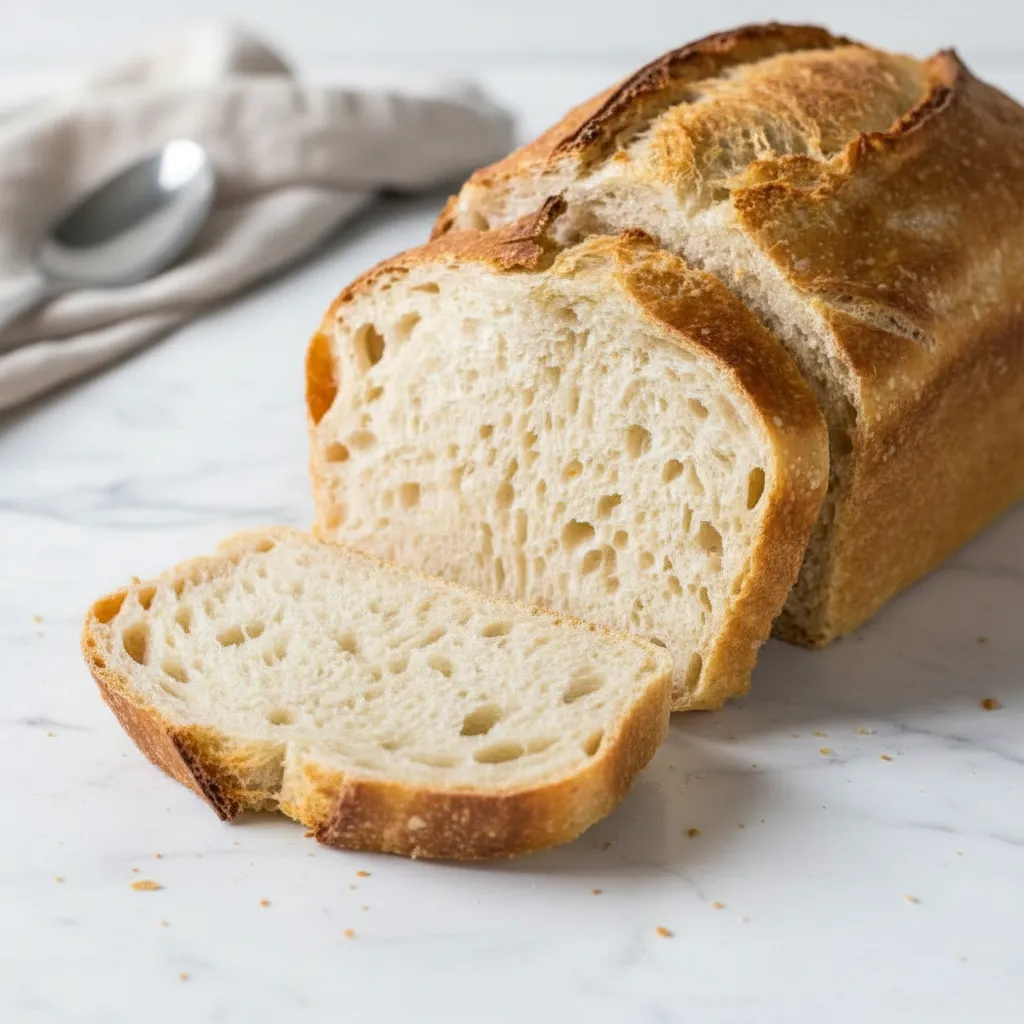
Ever dreamt of baking your own incredible loaf of sourdough? You know, the kind with that amazing crust and soft, chewy inside? Well, guess what? It’s totally within reach! Forget complicated techniques and endless waiting. This sour dough starter easy recipe is designed for home food lovers just like you, eager to dive into the world of baking authentic, delicious bread.
Making homemade sourdough bread might sound intimidating, but it doesn’t have to be. We’re going to break it down, step by step, so you can achieve a fantastic loaf without needing a fancy bakery setup. Get ready to impress yourself and everyone at your table with this truly satisfying sourdough bread recipe.
Jump To:
Why You’ll Love This Recipe
Honestly, what’s not to love about a fresh loaf of real bread straight from your own oven? This particular sour dough starter easy recipe takes all the guesswork out of it. It’s perfect for busy weeknights or a relaxed weekend project, offering incredible flavor without all the fuss.
You’ll get that signature tangy taste and wonderful texture that only a good bread starter can provide. Plus, there’s immense satisfaction in creating something so wholesome and tasty with your own two hands. It truly feels like a little bit of magic, doesn’t it?
This isn’t just another one of those sourdough bread recipes; it’s a gateway to enjoying delicious, wholesome bread more often. It’s also incredibly adaptable, making it a great base for experimenting with other homemade bread recipes easy enough for anyone to try.
Ingredients
Ready to gather your baking essentials? Here’s what you’ll need for this fantastic sour dough starter easy recipe. Make sure your starter is active and bubbly, that’s key!
- ⅔ cup active starter (bubbly, active, fed)
- 1 ⅓ cups warm water (around 90F is ideal)
- 1 ½ Tablespoons olive oil
- 3 ⅔ cups bread flour
- 2 teaspoons table salt
- Oil or butter for greasing pan
- Additional flour for dusting work surface
Simple ingredients for a truly amazing result, right? Having a robust bread starter is the true star here, giving your loaf that incredible depth of flavor and beautiful rise.
Step By Step Instructions
Let’s get baking! Follow these simple steps to make your own wonderful homemade sourdough bread. This sour dough starter easy recipe is all about making the process enjoyable.
Step 1: Make The Dough
First things first, grab a large mixing bowl. Combine your bubbly sourdough starter, warm water, and olive oil. Give it a good stir until everything is well combined and looking consistent.
Next, add the bread flour and sprinkle the salt over the top. Now, use your clean hands or a sturdy wooden spoon to stir everything together. You want the dough to be mostly combined, but it’s okay if it looks a bit shaggy.
Just make sure there are no dry patches of flour left. Don’t overmix it at this stage; we want to develop the gluten gently. Cover the bowl with plastic wrap and let it sit undisturbed for one hour. This is called the ‘autolyse’ period, and it’s a little secret to great texture.
Step 2: Stretch & Fold
After the autolyse, it’s time for some gentle dough work. Form the dough into a ball with your hands. Now, here’s a neat trick: run your hands under cool water. This stops the dough from sticking to you!
Grasp the top of the dough and gently stretch it up and over the bottom. Turn the dough 90 degrees and repeat this stretch and fold. Do this two more times, for a total of four stretch and folds.
Allow the dough to rest, covered, in a warm place for 30 minutes. Then, repeat the entire stretch and fold process every 30 minutes as the dough rises. You’ll do this until the dough has increased in size by about 80%.
The exact timing can vary depending on your kitchen’s temperature. It usually takes me about 4 to 6 hours for this stage, but be patient with your bread starter; it’s doing its best work!
Step 3: Forming The Dough
Once your dough has risen beautifully, lightly grease a 9×5 loaf pan with olive oil or butter. Turn the dough out onto a clean, lightly floured surface. Use your hands to gently deflate the dough and pat it into a rectangular shape.
Now, lift the right side of the dough and fold it into the center, almost like you’re closing a book. Then, lift the left side of the dough and fold it over the first fold. A bench scraper can be your best friend here if the dough is a bit sticky.
Starting with a skinny end, tightly roll the dough, just like you would a cinnamon roll. Tuck the ends under neatly. Carefully transfer your rolled dough to the prepared bread pan. Don’t fret if it doesn’t fill the pan completely just yet.
Cover the pan tightly with plastic wrap and transfer it to the refrigerator. This overnight rest, typically 12 to 48 hours, is crucial. It develops incredible flavor for your real bread.
Step 4: Baking
The big moment is here! Remove the sourdough from the refrigerator and preheat your oven to a robust 450F (230C). Let the dough rest, covered or uncovered, in a warm spot while the oven preheats, for at least 30 to 35 minutes.
If the center of the dough hasn’t quite risen above the lip of the pan, I sometimes let it rest at room temperature a bit longer, maybe an hour or two, until it does. Patience is a virtue when baking homemade sourdough bread.
Once the oven is hot, uncover your bread if it’s still covered. Make a clean slice, about ¼ inch deep, down the center with a sharp knife or a bread lame. This is called scoring, and it helps the bread expand beautifully.
Now, cover the pan with another 9×5 pan. If you don’t have a second pan, no worries! You can make a makeshift lid using aluminum foil. Just tent it high enough so it doesn’t touch the dough.
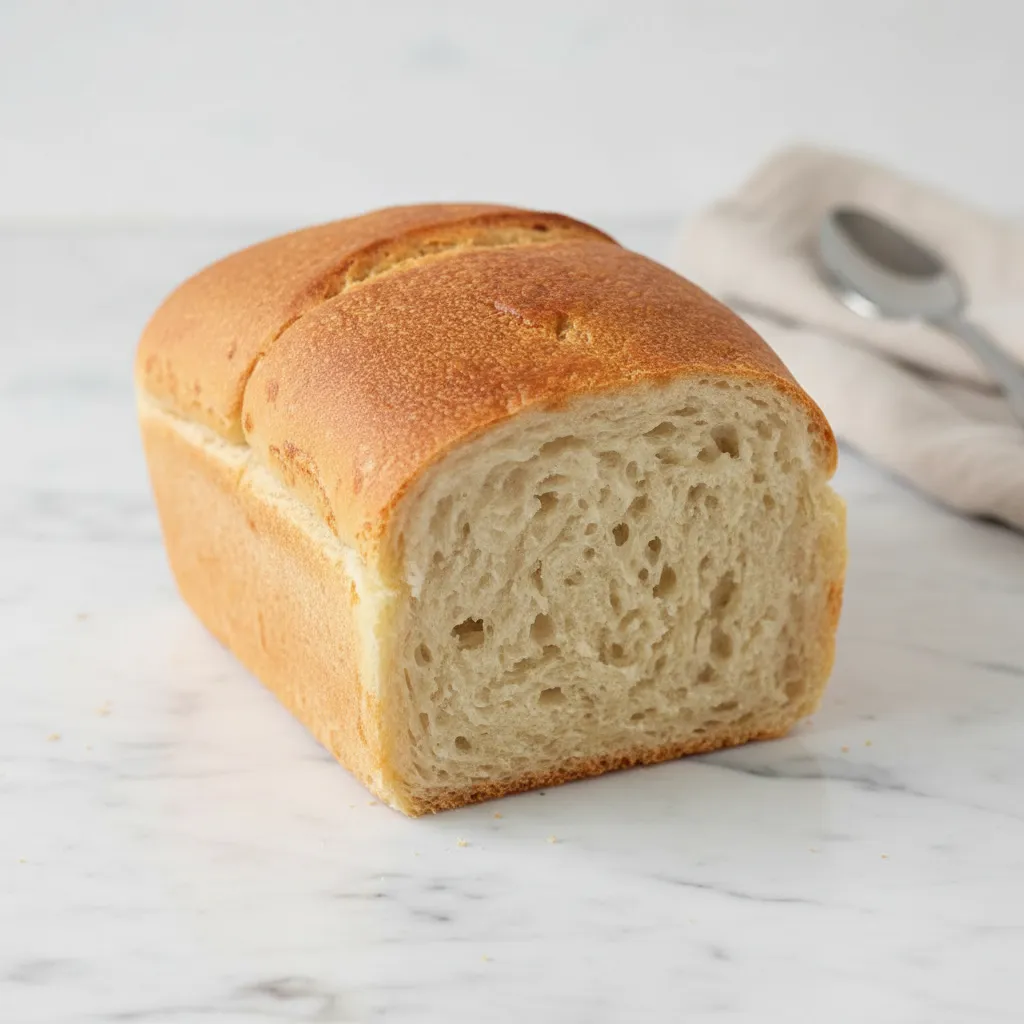
Transfer your covered bread to the center rack of the preheated oven. Bake, covered, for 30 minutes. Then, remove the lid and continue to bake for another 20 to 23 minutes, or until it’s golden brown.
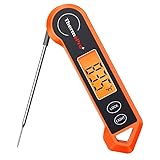
For perfect doneness, the center of the bread should reach 206 to 208F (97C) when checked with an internal read thermometer. Finally, allow the bread to cool in the pan for 10 to 15 minutes.
Carefully turn it out onto a cooling rack. The pan will still be hot, so be careful! Let it cool for at least an hour or two before slicing into it. Trust me, the wait is worth it for that perfect texture in your sourdough bread recipe.



How To Store Leftovers
If you happen to have any of your delicious homemade sourdough bread left over, storing it properly is key to keeping it fresh. For best results, let the bread cool completely before storing.
You can wrap it tightly in plastic wrap or beeswax wrap, or place it in a bread box. It will stay fresh at room temperature for about two to three days. For longer storage, you can slice the loaf and freeze the slices.
Just pop them into a freezer safe bag. When you’re ready for a piece of that amazing real bread, you can toast a frozen slice directly. It’s a great way to enjoy your hard work for longer!
Tips
Achieving a perfect loaf with your sour dough starter easy recipe is all about a few simple tricks. First, really pay attention to your bread starter. It should be bubbly and active, meaning it’s been fed recently and is full of life.
Warmth is your friend during the rising stages. If your kitchen is a bit cool, find a cozy spot, perhaps near a warm oven, to help your dough along. Don’t rush the bulk fermentation; it’s where flavor develops.
For scoring, a sharp knife or bread lame makes all the difference. A clean, quick cut allows the bread to expand beautifully in the oven, giving you that lovely ear. This is a common element in many sourdough bread recipes.
And here’s a bonus tip: While this isn’t a Same Day Sourdough Bread recipe, the overnight cold proof truly enhances the flavor and texture. It’s a game changer for homemade bread recipes easy to master.
Remember, baking is also a little bit about seasonal food. Enjoy your freshly baked sourdough with seasonal spreads, soups, or as a side to a cozy fall meal. There’s nothing quite like it!
Conclusion
There you have it! A truly satisfying and surprisingly simple sour dough starter easy recipe that will have you baking delicious homemade sourdough bread in no time. It’s all about embracing the process and enjoying the journey.
From the first mix to that incredible aroma filling your kitchen, making your own real bread is a rewarding experience. So go ahead, give this sourdough bread recipe a try. You might just find your new favorite baking hobby.
Imagine slicing into a warm, crusty loaf, knowing you made it yourself. That’s the magic of this sour dough starter easy recipe. Happy baking, everyone!
FAQ
What if my sourdough starter isn’t very active?
An active starter is crucial for this sour dough starter easy recipe. If yours seems sluggish, try feeding it a couple of times at 12 hour intervals, keeping it in a warm spot, until it’s consistently bubbly and doubles in size after feeding.
Can I use all purpose flour instead of bread flour?
While bread flour is recommended for its higher protein content, which gives a better chew and structure to homemade sourdough bread, you can use all purpose flour. Just be aware the texture might be slightly different. It will still make delicious homemade bread recipes easy to enjoy.
Can I skip the overnight refrigeration?
The overnight refrigeration, or cold proof, is highly recommended for developing deep flavor and improving the texture of your real bread. While some sourdough bread recipes are designed for same day baking, this one truly benefits from the cold rest.
How do I know when my bread is fully baked?
The best way to tell is by internal temperature. Your sourdough bread recipe is done when the center reaches between 206 to 208F (97C) using an instant read thermometer. It should also have a beautiful golden brown crust.
Easy Homemade Sourdough Bread
Achieve that amazing crust and soft, chewy inside with this no-fuss guide. This recipe makes authentic, delicious bread totally within reach for any home cook!
Requirements




Ingredients
Instructions
- In a large Good Grips 5-Quart Mixing Bowl, combine your bubbly sourdough starter, warm water, and olive oil. Stir until well combined.
- Add the bread flour and sprinkle the salt over the top. Use your hands or a wooden spoon to stir until no dry patches remain. Cover with plastic wrap and let sit for 1 hour.
- Perform 4 sets of stretch and folds every 30 minutes. Use wet hands to prevent sticking. Let the dough rest in a warm place until it increases in size by 80% (about 4-6 hours).
- Turn dough onto a floured surface, pat into a rectangle, and roll tightly. Transfer to a greased 9×5 pan. Cover and refrigerate for 12 to 48 hours for deep flavor.
- Preheat oven to 450F. Remove dough from fridge and let rest while preheating. Score a slice down the center with a Japanese Chef Knife.
- Cover the pan with foil and bake for 30 minutes. Remove the cover and bake for another 20-23 minutes until golden brown.
- Check the center with a Digital Instant Read Food Thermometer; it should reach 206-208F. Cool in the pan for 10 minutes, then move to a rack for 1-2 hours before slicing.
Notes
Ensure your starter is very active and bubbly before beginning. If it’s sluggish, feed it 12 hours before starting the recipe.
Don’t skip the overnight cold proof! It is the secret to getting that authentic tangy sourdough flavor and perfect chewy texture.
If your kitchen is cool, place the dough in a turned-off oven with the light on during the bulk rise to provide a cozy environment.
Store leftovers wrapped tightly at room temperature for 3 days, or slice and freeze for easy toasting later.
Nutrition
Calories
Sugar
Fat
Carbs