Ever wonder why restaurant scrambled eggs taste so much better than yours? You know, the kind that are light, fluffy, and just melt in your mouth? Well, wonder no more! We’re about to spill the beans on how to make truly incredible scrambled eggs right in your own kitchen.
This isn’t just any recipe; it’s your ticket to mastering perfectly cooked eggs every single time. Whether you’re a kitchen newbie or a seasoned home cook looking for a reliable, go to method, this guide to making the best easy scrambled eggs is for you. Get ready to elevate your breakfast game!
Jump To:
Why You’ll Love This Recipe
Honestly, what’s not to love about a plate of perfectly cooked scrambled eggs? This recipe hits all the right notes for anyone looking for a quick, delicious, and satisfying meal. It’s a true breakfast hero, but versatile enough for lunch or a light dinner too.
First off, it’s incredibly simple. You don’t need any fancy equipment or a culinary degree to whip these up. We’re talking basic kitchen tools and ingredients you probably already have on hand. It’s an ideal recipe for beginners, and a lifesaver for busy mornings when you need something fast and filling.
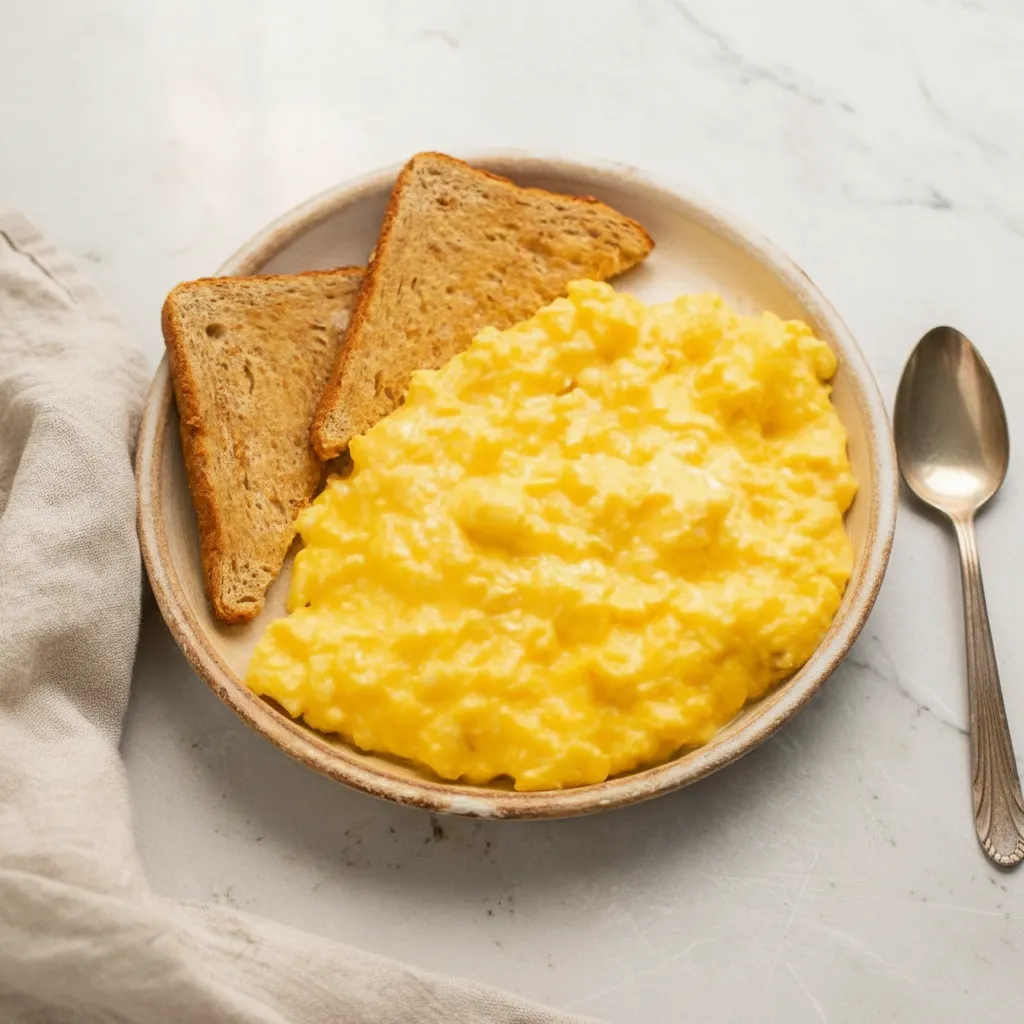
Then there’s the flavor. Oh, the flavor! With just a few simple additions, you can transform humble eggs into a dish that’s rich, creamy, and utterly delicious. The addition of cheese makes for decadent cheesy scrambled eggs, a comfort food classic that always hits the spot. And we’ll show you how to get those wonderfully soft scrambled eggs that are never dry or rubbery.
Plus, this recipe is super customizable. Want to add some veggies? Go for it! Got some leftover ham? Toss it in! It’s a fantastic base for all sorts of culinary creativity, making it a budget friendly option that lets you use up whatever you have on hand. It’s truly a recipe that gives back!
Ingredients
Gathering your ingredients is the first step to making fabulous scrambled eggs. The beauty of this recipe lies in its simplicity. You won’t need a long shopping list, just a few fresh items to get started. Here’s what you’ll need to create those dreamy, soft scrambled eggs.
- 4 large eggs
- 1 tablespoon butter
- 1/4 cup shredded cheddar cheese
- 1/4 teaspoon salt
- 1/8 teaspoon black pepper
- 1 tablespoon chopped fresh chives
These ingredients are the foundation for truly perfect scrambled eggs. Fresh eggs make a big difference, so try to use the best you can find. The butter adds richness and helps with that silky texture, and the cheddar cheese is key for amazing cheesy scrambled eggs.
Step-By-Step Instructions
Ready to get cooking? Follow these simple steps to make the best easy scrambled eggs you’ve ever tasted. We’ll walk you through each part, ensuring you get that perfect fluffy texture we all crave.
Step 1: Whisk Those Eggs
Crack your four large eggs into a medium sized bowl. Now, grab a whisk or a fork and get to work! Whisk them vigorously until the yolks and whites are completely combined and there are no streaks of clear egg white left.
This is crucial for uniform color and texture in your finished scrambled eggs. You want them light and airy. Don’t overdo it, but make sure they’re well blended.
Step 2: Melt the Butter
Place a non stick skillet over medium low heat. Add the tablespoon of butter. Let it melt slowly, swirling it around the pan to coat the bottom evenly. You want the butter to be fully melted and just starting to foam, but not browned.
Medium low heat is your friend here. It helps prevent the eggs from cooking too fast and becoming dry. This gentle heat is a secret for truly soft scrambled eggs.
Step 3: Pour and Start Stirring
Once the butter is melted and the pan is ready, pour the whisked eggs into the skillet. Let them sit undisturbed for about 30 seconds to begin setting around the edges. This little pause is important.
Then, using a rubber spatula, gently push the cooked egg from the edges towards the center of the pan. Tilt the pan to let the uncooked egg flow into the empty spaces. Keep stirring frequently and gently.
Step 4: Add the Cheese
When the eggs are mostly set but still look a little wet and glossy, almost like soft curds, it’s time for the cheese! Sprinkle the 1/4 cup of shredded cheddar cheese evenly over the eggs.
This is where your cheesy scrambled eggs really come to life. The residual heat will melt the cheese beautifully into the eggs, creating a wonderfully creamy texture.
Step 5: Finish Cooking and Season
Continue to gently stir the eggs until the cheese is fully melted and the eggs are cooked to your desired firmness. If you prefer super soft scrambled eggs, remove them from the heat when they are still slightly moist.
Remember, they’ll continue to cook a little bit even after they’re off the heat. Remove from heat immediately and season with 1/4 teaspoon salt and 1/8 teaspoon black pepper. Give them a final gentle stir to distribute the seasoning.
Step 6: Garnish and Serve
Transfer your perfectly cooked scrambled eggs to a plate. Garnish with the tablespoon of chopped fresh chives. The chives add a lovely pop of color and a fresh, oniony flavor that complements the richness of the eggs.
Serve your delicious easy scrambled eggs immediately with your favorite sides, like toast, bacon, or a fresh fruit salad. Enjoy!
How To Store Leftovers
While scrambled eggs are definitely best enjoyed fresh off the stove, sometimes you might have a little extra. Don’t fret! You can absolutely store leftovers, though the texture might change slightly upon reheating.
To store, let the cooked scrambled eggs cool completely. This is important to prevent condensation, which can make them watery. Once cool, transfer them to an airtight container.
Pop the container into the refrigerator, and they’ll stay good for up to 3 days. When you’re ready to reheat, the microwave is your quickest option. Heat them gently in 30 second intervals, stirring in between, until warmed through.
You can also reheat them on the stovetop over low heat, adding a tiny splash of milk or water to help bring back some moisture. Keep in mind that leftover cheesy scrambled eggs might not be quite as fluffy as fresh, but they’ll still be tasty!
Tips
Making perfect scrambled eggs is an art, but it’s an art anyone can master with a few helpful pointers. Here are some of our favorite tips to ensure your eggs turn out fantastic every single time, whether you’re aiming for soft scrambled eggs or something a bit firmer.
Don’t Overcook Them: This is probably the most important tip. The moment your scrambled eggs look done in the pan, they’re actually already a bit overdone. Remove them from the heat when they’re still slightly moist and glossy. They will continue to cook from residual heat.
Low and Slow is the Way to Go: Resist the urge to crank up the heat. Medium low heat is ideal. It allows the eggs to cook gently and evenly, resulting in those beautiful, tender curds instead of rubbery bits. Patience truly pays off here.
A Good Non Stick Pan Helps: While not strictly necessary, a quality non stick skillet makes a world of difference. It prevents the eggs from sticking and makes cleanup a breeze, which is a huge win for any busy cook.
Add a Splash of Milk or Cream: For extra creamy scrambled eggs, you can whisk in a tablespoon of milk, cream, or even water with your eggs before cooking. This isn’t essential for this recipe, but it’s a popular trick for adding richness and helping create extra fluffy eggs.
Fresh Herbs are Key: The fresh chives aren’t just for show. They add a wonderful, bright flavor that elevates the entire dish. If you don’t have chives, consider fresh parsley or dill. It really makes your easy scrambled eggs shine.
Season at the End: Salt can sometimes break down the protein in eggs if added too early, potentially leading to a slightly tougher texture. Seasoning your scrambled eggs right after removing them from the heat ensures the best flavor and texture.
Experiment with Cheese: While cheddar makes fantastic cheesy scrambled eggs, feel free to try other cheeses like Monterey Jack, Gruyere, or even a little Parmesan. Different cheeses will give you different flavor profiles, so have fun with it!
Conclusion
There you have it: the ultimate guide to making perfect, fluffy, and incredibly flavorful scrambled eggs. No more dry, sad eggs for you! With these simple steps and tips, you’re now equipped to whip up a breakfast that rivals any diner, right in your own kitchen.
Whether you’re craving classic easy scrambled eggs, decadent cheesy scrambled eggs, or aiming for that ideal texture of soft scrambled eggs, this recipe has you covered. It’s quick, it’s simple, and it’s undeniably delicious. So go ahead, crack those eggs and get cooking!
Enjoy the satisfaction of creating a truly wonderful meal with minimal effort. Happy cooking!
FAQ
Why are my scrambled eggs sometimes watery?
Watery scrambled eggs can happen for a few reasons. Sometimes, it’s from overcooking, which separates the protein from the water. It can also be from adding too much milk or cream, or if you added salt too early. Try seasoning at the end and cooking over lower heat.
Can I use different types of cheese for cheesy scrambled eggs?
Absolutely! While cheddar is a classic choice, you can definitely experiment. Monterey Jack, Gruyere, Swiss, or even a blend of cheeses work wonderfully. Just make sure it’s a cheese that melts well to get that creamy texture in your cheesy scrambled eggs.
What’s the secret to truly soft scrambled eggs?
The biggest secret to soft scrambled eggs is cooking them slowly over low to medium low heat and removing them from the pan while they still look slightly undercooked and moist. Gentle, continuous stirring also helps create small, tender curds rather than large, tough ones.
How can I make my scrambled eggs fluffier?
Whisking your eggs thoroughly until they’re light and frothy introduces air, which helps make them fluffier. Cooking on a lower heat also prevents them from drying out and keeps them tender. Some people also add a tiny splash of club soda or baking powder for extra lift.
Can I add vegetables to this easy scrambled eggs recipe?
Yes, you sure can! This is an excellent way to customize your scrambled eggs. Just make sure to sauté any vegetables that need cooking, like onions, peppers, or mushrooms, before adding the whisked eggs to the pan. This ensures they are tender and cooked through.
Fluffy Cheesy Scrambled Eggs
Learn the secret to making incredibly light, fluffy, and cheesy scrambled eggs every time. This no-fuss recipe is perfect for a quick weeknight breakfast.
Requirements


Ingredients
Instructions
- Crack your four large eggs into a medium sized bowl. Now, grab a whisk or a fork and get to work! Whisk them vigorously until the yolks and whites are completely combined and there are no streaks of clear egg white left.
- Place a non stick skillet over medium low heat. Add the tablespoon of butter. Let it melt slowly, swirling it around the pan to coat the bottom evenly.
- Once the butter is melted and the pan is ready, pour the whisked eggs into the skillet. Let them sit undisturbed for about 30 seconds to begin setting. Then, using a rubber spatula, gently push the cooked egg from the edges towards the center of the pan.
- When the eggs are mostly set but still look a little wet and glossy, sprinkle the 1/4 cup of shredded cheddar cheese evenly over the eggs.
- Continue to gently stir the eggs until the cheese is fully melted and the eggs are cooked to your desired firmness. Remove from heat while they are still slightly moist.
- Remove from heat immediately and season with salt and black pepper. Give them a final gentle stir to distribute the seasoning.
- Transfer your perfectly cooked scrambled eggs to a plate. Garnish with the tablespoon of chopped fresh chives and serve immediately.
Notes
Don’t Overcook Them: Remove from heat when they’re still slightly moist and glossy. They will continue to cook from residual heat.
Low and Slow is the Way to Go: Use medium-low heat for tender, even cooking. This results in beautiful, soft curds instead of rubbery bits.
Season at the End: Adding salt too early can sometimes make eggs tough. Season after removing them from the heat for the best texture.
Nutrition
Calories
Sugar
Fat
Carbs